Tokyo Sumo Guide
The Expat's Guide to Booking Sumo in Tokyo: What I Wish I Knew Before Clicking "Book Now"
This page sets out the five sumo experiences we link to on GetYourGuide, with their prices and lengths as checked on 5 October 2026, and says which kind of visitor each one suits.
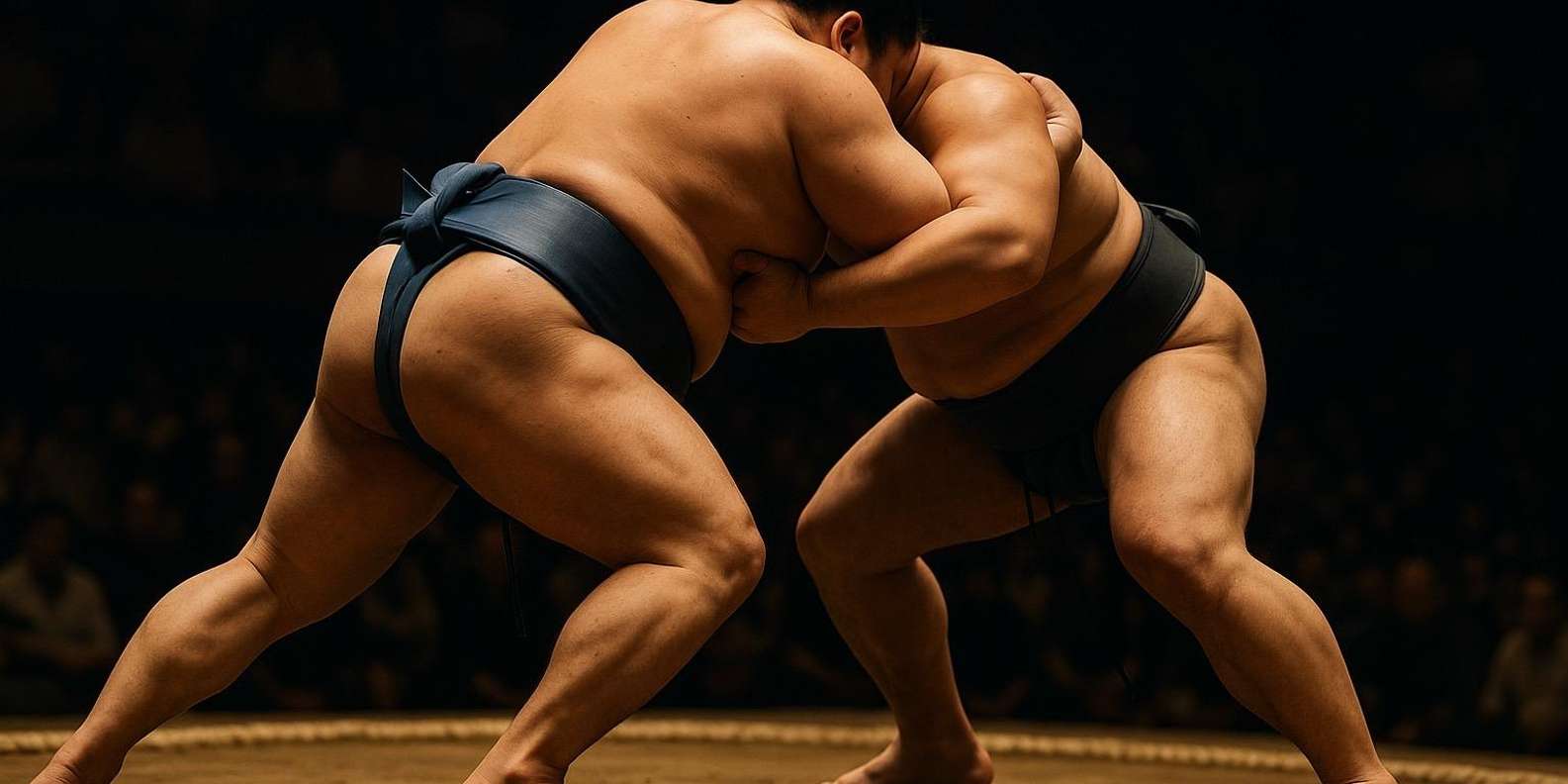
The titles look alike, but these are different kinds of sumo experience, not one thing at five prices. Two are short shows, one is a show with a meal, one is morning practice at a stable, and one is a seat at a Grand Tournament with a guide. Pick by what you want to see, then by price.
The Five Experiences Side by Side
Shinjuku Sumo Show & Experience with Photo
- From $35, 75-90 minutes
- A sumo show and experience in Shinjuku, with a photo
- 4.9 from 8,875 GetYourGuide reviews
Shibuya Sumo Show with Experience and Photo
- From $52, 75 minutes
- A sumo show with an experience and a photo, in Shibuya
- 5.0 from 2,209 GetYourGuide reviews
Sumo Show and Dining at Tokyo Sumo Room
- From $64, 1.5 hours
- A live show in a former sumo stable near Ryogoku, with chicken chanko hot pot at the 11:00 and 19:00 shows (meal option)
- 4.8 from 3,621 GetYourGuide reviews (5 October 2026)
Traditional Sumo Morning Practice Tour
- From $95, 2 hours
- Morning practice at a real sumo stable with an English-speaking guide: authentic sumo, not a show
- 4.7 from 438 GetYourGuide reviews
Grand Sumo Tournament Tour with Local Guide
- From $634 (Oct 2026), 2 hours with the guide
- A chair seat at Ryogoku Kokugikan, plus a local guide who briefs you and gets you in (the guide does not sit with you)
- 4.7 from 3 GetYourGuide reviews (a new listing)
Prices checked on GetYourGuide on 5 October 2026; they change with the date and group size.
The Four Types of Sumo Experiences
1. The Short Shows: Shinjuku and Shibuya
What they are: Both are listed as a sumo show and experience with a photo, in the Shinjuku and Shibuya districts. They are shows, not tournaments and not training sessions.
- Shinjuku: from $35, 75-90 minutes, 4.9 from 8,875 reviews
- Shibuya: from $52, 75 minutes, 5.0 from 2,209 reviews
Best for: A short, low-cost slot in the day, and anyone who wants a photo and a first look at sumo without a long commitment.
I'd start with the Shinjuku show: it is the cheapest of the five and has the most reviews of the two. Read more on the Shinjuku sumo page.
2. The Show With a Meal: Tokyo Sumo Room
What it is: A sumo show and a meal in a former sumo stable near Ryogoku, run by a former top-division wrestler. Retired wrestlers fight a few metres from your seat, an English-speaking MC explains the rituals as they happen, and guests can step into the ring and try a bout.
- From $64, 1.5 hours, 4.8 from 3,621 reviews (5 October 2026)
- Shows at 8:30, 11:00, 15:00 and 19:00; the meal is served only at 11:00 and 19:00
- Free cancellation up to 24 hours before; vegetarian food on request
The chanko question: Chanko nabe is the hot pot sumo wrestlers eat as part of their training diet. Here it is a chicken chanko, all you can eat, with bottled water, and it comes with the meal option at the 11:00 and 19:00 shows. The from-price may be for a show without the meal, so check which option you are booking. Drinks other than water are extra.
Best for: Visitors who want a meal and a show in one booking, and anyone who wants to get into the ring rather than only watch.
3. The Morning Practice Tour: Real Sumo, Real Stable
What it is: A tour to a sumo stable (called "beya") to watch morning practice, with an English-speaking guide. The listing describes it as authentic sumo, not a show. It runs 2 hours and costs from $95.
Before you book:
- It is a morning tour, so plan for an early start
- Training sessions come with etiquette rules; the listing gives the meeting time, the rules and any age limit
- 4.7 from 438 GetYourGuide reviews
Pros:
- Real training, not a show
- English-speaking guide
- A look at the daily routine described in our stable guide
Cons:
- An early start
- No guarantee which wrestlers will be training that morning
- Check the listing for rules and age limits
Best for: Visitors who care more about authenticity than entertainment. Check the listing for open dates.
4. The Real Tournaments: The Holy Grail (If You Can Get Tickets)
Grand Sumo tournaments happen six times a year, and Tokyo hosts three of them: January, May and September at the Ryogoku Kokugikan. The other three are in Osaka (March), Nagoya (July) and Fukuoka (November).
What they are: Professional wrestlers competing for rankings and prize money. These are not performances; it is competitive sport at the highest level.
The next tournaments:
- January 2027, Tokyo: 10-24 January, general ticket sale Saturday 5 December 2026
- March 2027, Osaka: 14-28 March at EDION Arena Osaka
- May 2027, Tokyo: 9-23 May, general sale Saturday 10 April 2027
- July 2027, Nagoya: 11-25 July
- September 2027, Tokyo: 12-26 September, general sale Saturday 7 August 2027
- November 2027, Fukuoka: 14-28 November
The November 2026 tournament in Fukuoka is already sold out on every day.
Regional Tournaments: If you're visiting Osaka during the March Grand Tournament (Haru Basho), check out OsakaSumoWrestling.com for comprehensive guides on attending the Osaka sumo experience and securing tournament tickets at EDION Arena.
The official ticket route: Official tickets are sold in English through Ticket Oosumo (sumo.pia.jp/en), the Japan Sumo Association's ticket service. General sale for a Tokyo tournament opens on a Saturday about five weeks before the first day; all three 2026 Tokyo sales opened at 10:00 Japan time. Payment is by credit card only, with a service fee of 2,000 yen per ticket. Tickets are printed at a Seven-Eleven in Japan, and they cannot be changed or cancelled. Ringside seats and the top box grade are on the Japanese site only. Every day of the September 2026 tournament in Tokyo sold out.
From the January 2027 tournament, chair seats on the second floor cost roughly 5,000 to 13,000 yen per person depending on grade and day, according to the Japan Sumo Association price list. The cheapest seat, Chair D, is 3,000 yen and is sold on the Ticket Oosumo website only.
The tour option: If you want real tournament seats without handling the ticket site yourself, the Grand Sumo Tournament tour costs from $634 (Oct 2026). It includes a chair seat at Ryogoku Kokugikan and a local guide who briefs you and gets you in. The guide does not sit with you, and the briefing and entry take about 2 hours. It is a new listing with 3 reviews so far.
The tournament day: The Kokugikan doors open at 8:45 on most days, and matches finish around 6 p.m. You can leave and come back once, before 17:00. The top-division bouts come in the late afternoon, so you do not need to be there from the morning to see them.
Best for: Sumo fans, and visitors in January, May or September who want to see the sport at its highest level. If you are only mildly curious, a show costs far less.
How to Actually Choose: The Decision Matrix
Here is how I would split it:
Choose a SHORT SHOW if you:
- Want a photo and a first look at sumo
- Have 75 to 90 minutes to spare
- Want the lowest price
- Budget: from $35 (Shinjuku) or $52 (Shibuya)
Choose a SHOW WITH A MEAL if you:
- Want a meal and sumo in one booking
- Want to eat chanko, the wrestlers' hot pot (11:00 or 19:00 show)
- Like the idea of a show in a former sumo stable
- Budget: from $64
Choose MORNING PRACTICE if you:
- Value authenticity over entertainment
- Can manage an early start
- Have checked the listing for an open date
- Budget: from $95
Choose TOURNAMENTS if you:
- Visit in January, May or September
- Want to watch real bouts and rankings
- Can buy official tickets on Ticket Oosumo when sale opens, or want the tour
- Budget: 3,000 to 13,000 yen for official chair seats, or from $634 (Oct 2026) for the tour
Three Mistakes to Avoid
-
Booking a show and expecting a real tournament
If a title says "show" or "experience", it is a performance. Only the Grand Tournament tour puts you in the Kokugikan for real bouts.
-
Booking morning practice without checking the rules
Check the meeting time, the etiquette rules and the age limit on the listing before you commit.
-
Leaving tournament tickets to the last week
General sale opens about five weeks before day one, and every day of the September 2026 tournament sold out. For January 2027 that date is Saturday 5 December 2026.
My Final Verdict
These five are four kinds of sumo experience serving different needs:
- Short shows = a photo and a first look, from $35
- Shows with a meal = a meal and sumo together, from $64
- Morning practice = real training at a stable, from $95
- Tournaments = the real sport, official tickets from 3,000 yen or the tour from $634 (Oct 2026)
The right one depends on when you are visiting, how much time you have and what you want to see.