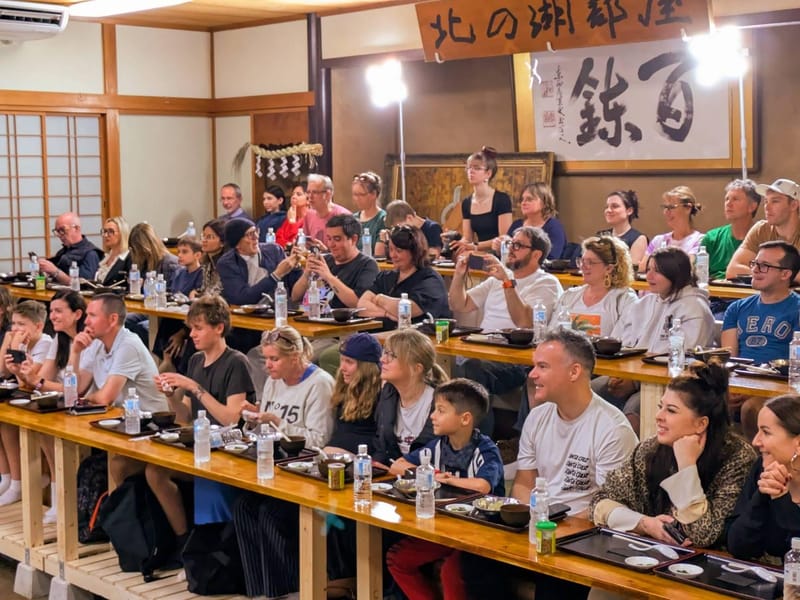
The most reviewed of the sumo shows on this page is in Shinjuku. It is a sumo show and experience with a
photo included, it lasts 75 to 90 minutes, and it costs from $35.
It holds 4.9 from 8,875 GetYourGuide reviews (5 October 2026). Our Shinjuku page goes through it in
detail.
Three sumo experiences you can book in Tokyo. Each is a real tour run by an independent operator and sold
on GetYourGuide; this site does not run any of them.
Dining Show
Sumo Show & Dining
Duration: 1.5 hours | From $64
Tokyo Sumo Room, a show in a former sumo stable near Ryogoku, run by a former top-division wrestler.
Retired wrestlers fight a few metres from you, an English-speaking MC explains each part, and guests can
step into the ring.
Chicken chanko hot pot, all you can eat, with the meal option at the 11:00 and 19:00 shows. The 8:30
and 15:00 shows have no meal, so pick the option with the meal if you want to eat.
Free cancellation up to 24 hours before.
Rated 4.8 from 3,621 GetYourGuide reviews (5 October 2026).
Pick the format that suits your group. None of these is a tournament ticket: they
are two shows and a practice visit, booked and paid for on GetYourGuide. For a seat at a tournament, see
the ticket questions below.
If you want the meal, book the dining show at 11:00 or
19:00: those are the two shows served with the chicken chanko hot pot, the stew wrestlers eat in training. It
is held in a former stable near Ryogoku, and guests get a turn in the ring.
Prices checked on GetYourGuide on 5 October 2026; they change with the date and
group size.
Why Ryogoku Kokugikan Is Sumo's Beating Heart
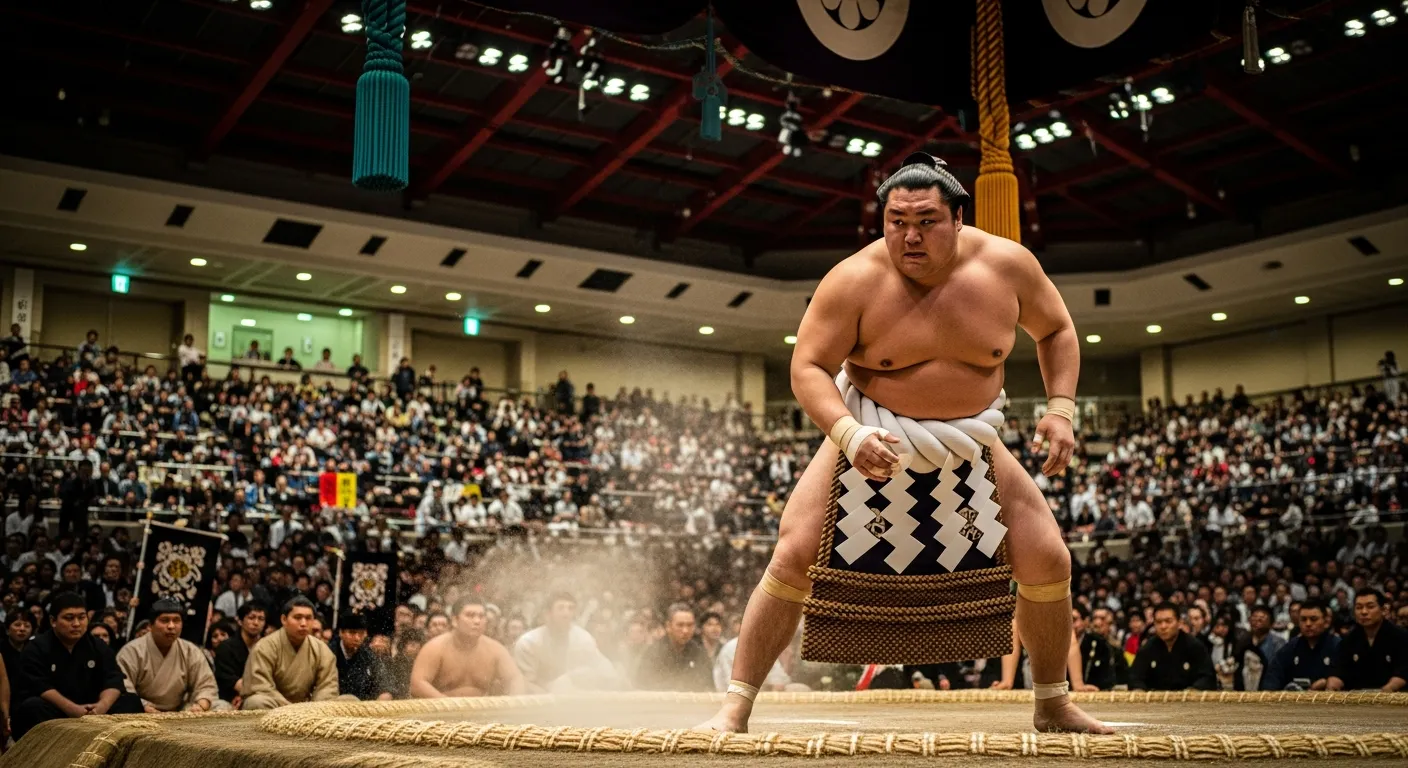
Kokugikan means "national sport hall". The arena in Ryogoku has hosted Tokyo's tournaments since 1985 and
seats 11,098 people. On a tournament day every division wrestles there, from the young hopefuls in the
morning to the top-ranked wrestlers at the end of the afternoon.
It is a walk of one to two minutes from the West Exit of JR Ryogoku Station. The Sumo Museum on the first
floor is free and changes its exhibition three times a year; on tournament days it is open to ticket holders
only.
During a tournament the hall in the basement serves chanko hot pot at 500 yen a bowl (September 2026
price). Our Kokugikan visitor guide covers the
museum, the food and how to get there.
📍
Seating Guide
Confused About Ryogoku Kokugikan Seating?
Tamari ringside seats, masu box seats, chair seats on the second floor—the Ryogoku Kokugikan seating chart
can be overwhelming if you've never been to a sumo tournament before.
Our seating guide breaks down every section with an arena map. It shows which seats are on which floor,
where you can eat and drink, and how the traditional floor seating differs from the Western-style
chairs.
If you are planning a tournament day, read it before the tickets go on sale. It has the new prices that
apply from January 2027 and the steps for getting a seat.
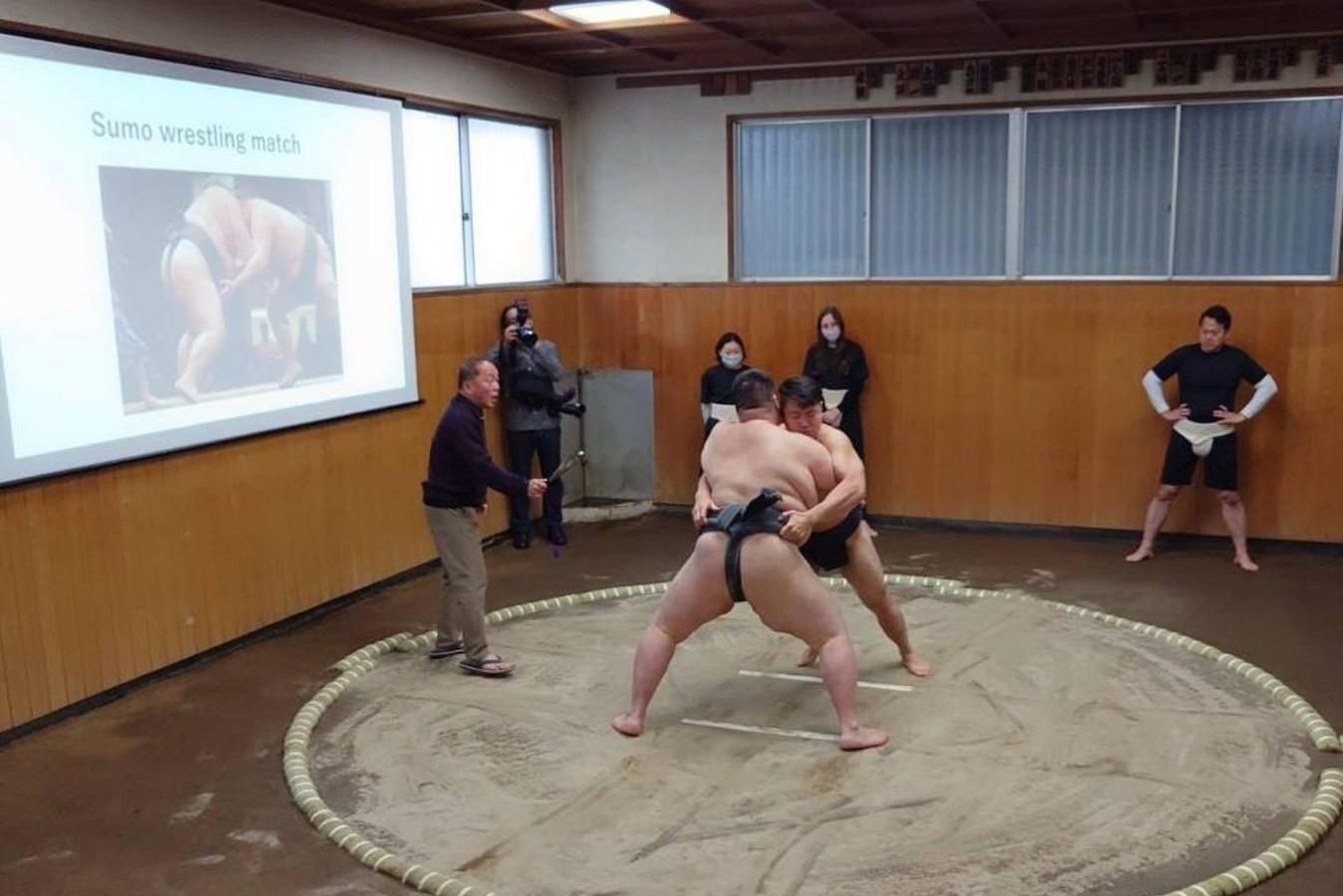
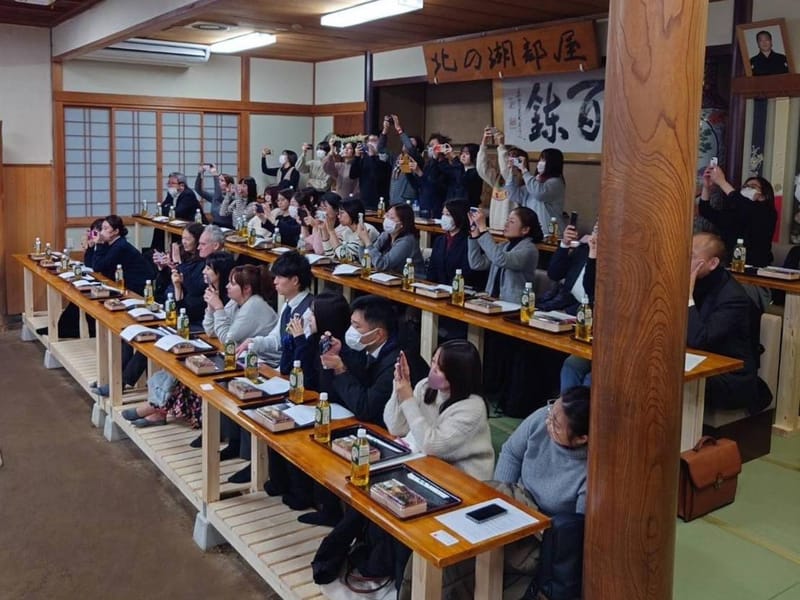
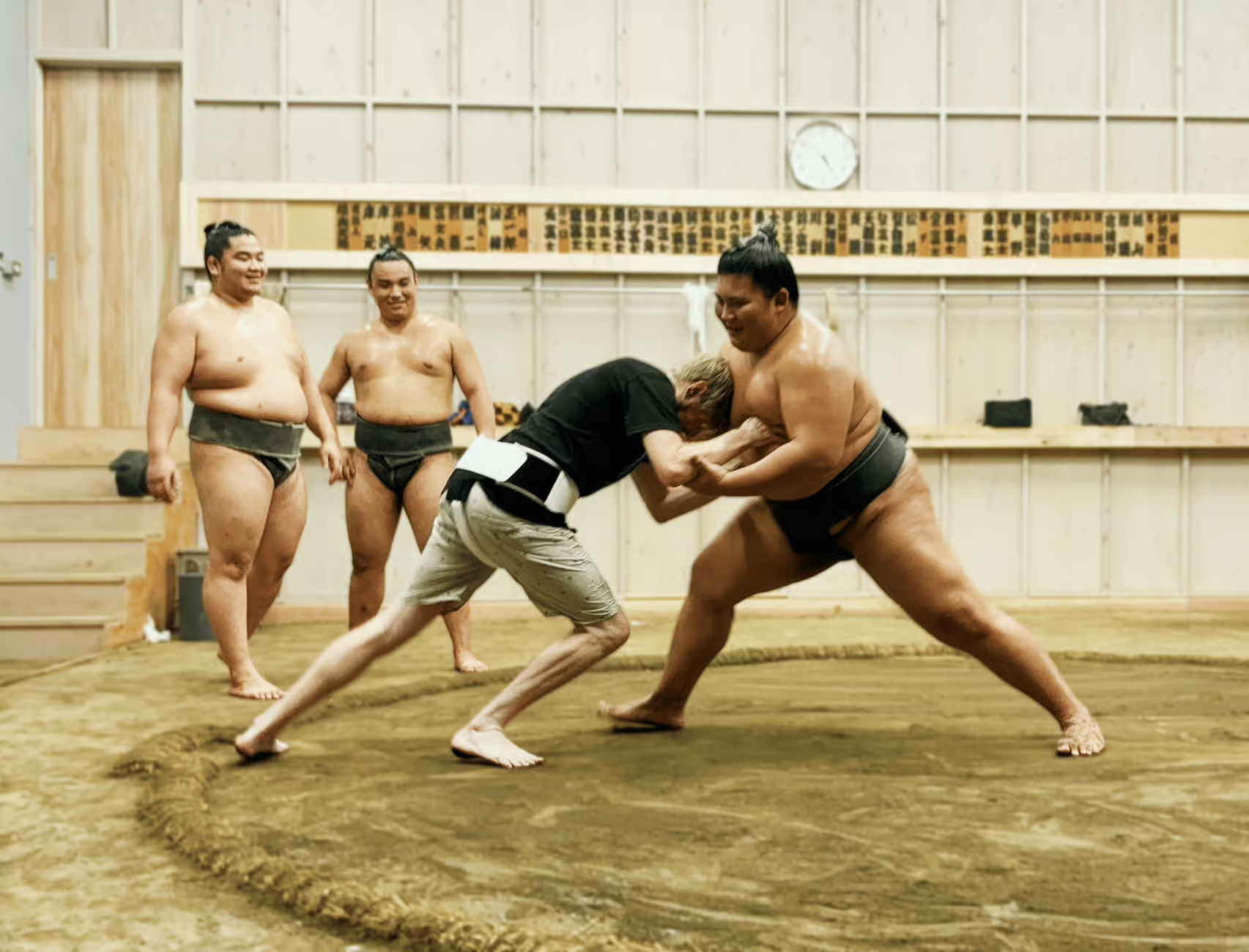
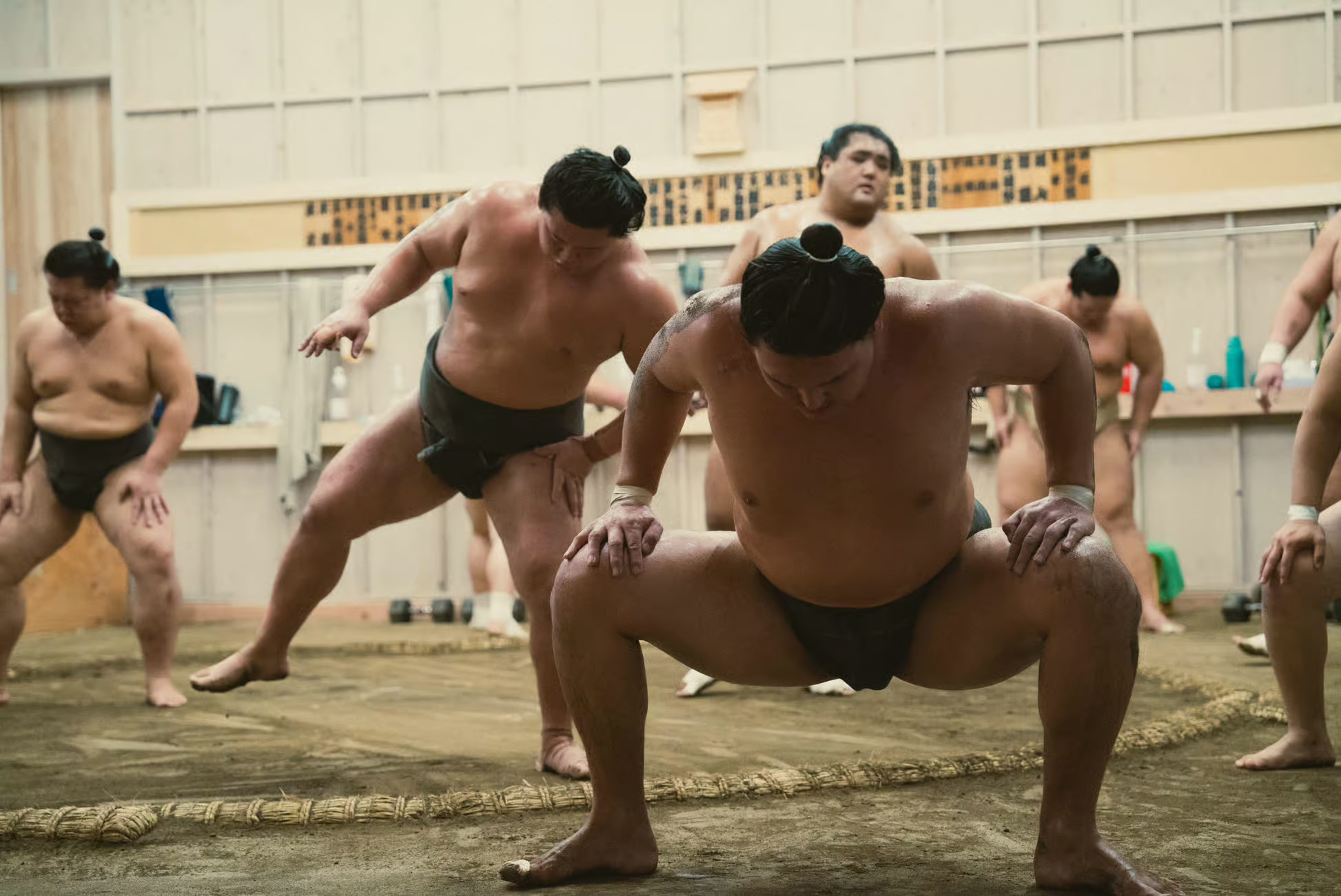
Phones out: the audience at a sumo show.A visitor pushes against a wrestler in the practice ring.Wrestlers warming up in the practice ring.Guests eating at their tables during a sumo show.
What This Site Is
Independent
We do not run tours, sell tickets or take bookings. This site explains sumo in Tokyo and compares what
you can book.
Official Sources
Tournament dates, sale dates and ticket prices here come from the Japan Sumo Association and its ticket
service, Ticket Oosumo. Updated October 2026.
Booking
Bookings, payment and cancellations are handled by GetYourGuide. If you book through a link on this
site, we may earn a commission.
Continue Reading
Deepen your sumo knowledge with guides designed to prep you for Ryogoku
and Kokugikan.
It depends on whether you want entertainment, authenticity, or a serious sporting event. Check out our
Complete Guide to Choosing a Sumo
Experience to compare the 4 main types and avoid booking the wrong one.
Six Grand Sumo Tournaments are held each year and three of them are in Tokyo, at Ryogoku Kokugikan:
January, May and September. The other three are in Osaka (March), Nagoya (July) and
Fukuoka (November). Each tournament runs for 15 days, from a Sunday to a Sunday. The next one in Tokyo is
January 10 to 24, 2027. Outside tournament dates you can watch morning practice at a sumo stable or go to a
sumo show.
Official tickets go on general sale about five weeks before the first day, on a Saturday; all three 2026
Tokyo sales opened at 10:00 Japan time. For the January 2027 tournament that is Saturday, December 5, 2026. The official
English seller is Ticket Oosumo: credit card only, a
service fee of 2,000 yen per ticket, tickets printed at a Seven-Eleven in Japan, and no changes or
cancellations. In 2026 its English site sold box seats A to C and chair seats; ringside and S box seats were
on the Japanese site only. The Kokugikan box office has no advance sales, and when a tournament sells out
no tickets are sold on the day, which is what happened in Tokyo in May and September 2026.
GetYourGuide also lists a Grand Sumo Tournament tour: a chair seat at Ryogoku Kokugikan plus a local guide
who briefs you and gets you in (the guide does not sit with you). It costs from $634 (Oct 2026) and the time with the
guide is 2 hours. Check the listing for which tournament dates are open.
Tamari (ringside): first-floor seats next to the ring, for ages 16 and over only, with
no eating or drinking and no photography without permission. Masu (box seats):
first-floor boxes where you sit on cushions with your shoes off. A box normally holds four people, and
boxes for one to six are sold too. Chair seats: ordinary seats on the second floor.
The Japan Sumo Association has raised prices from the January 2027 tournament, and there are now three
price levels: weekdays, weekends and holidays, and the last two days. Per person, ringside costs 25,000
yen on a weekday, 27,500 yen on a weekend or holiday and 30,000 yen on the last two days. Box seats run from 9,500 yen per person (Masu C, weekday) to 25,000 yen
(the new Masu SS front rows, last two days), so a four-person Masu C box on a weekday is 38,000 yen. Chair
seats run from 3,000 yen (Chair D) to 13,000 yen (Chair S, last two days). Children aged 4 and over need
their own ticket.
At the 2026 Tokyo tournaments the doors opened at 8:45 am on Days 1 to 12, at 10:30 am on Days 13 and 14,
and at 10:00 am on the final day. Door times for January 2027 are not published yet. The lower divisions
wrestle first and the day ends at about 6 pm. The top division (makuuchi) enters the ring at roughly 3:40
to 3:55 pm and its bouts run until the close. These times are approximate, and the first and last days run
earlier. If your time is limited, be in your seat by 3:30 pm. You can leave and come back once, and you
must be back by 5 pm.
The Japan Sumo Association's rules depend on the seat. In a box seat you take your shoes off, stay in your
own box, and do not use your phone, stand up or move around while a bout is on. You may eat and drink in
box seats and chair seats. Ringside seats are stricter: no food or drink, no photography without
permission, no phone use, and no one under 16. You can leave and re-enter the arena once during the day,
and you must be back by 5 pm.
Morning Practice (Asageiko): Watch training at a real sumo stable with an
English-speaking guide. It is practice, not a show; it takes 2 hours and costs from $95.
Sumo Shows: From $35 for the Shinjuku show and experience to $64 for the dining show
in a former sumo stable, served with chicken chanko hot pot at the 11:00 and 19:00 shows. All of them are in
the comparison
above.
At a tournament, photography from the ringside (tamari) seats is not allowed without the organiser's
permission, and phones may not be used during bouts in the ringside or box seats. At morning practice the
stable and the tour operator set the rules, so follow your guide. The Shinjuku and Shibuya shows include a
photo in the booking.
Age rules for shows and practice visits are set by each operator, so check the listing on GetYourGuide
before you book. At a tournament, children aged 4 and over need their own ticket, and ringside (tamari)
seats are for ages 16 and over only.
Ready to Feel the Impact?
GetYourGuide keeps its Tokyo sumo experiences on one page. Pick your date and
see what is open.