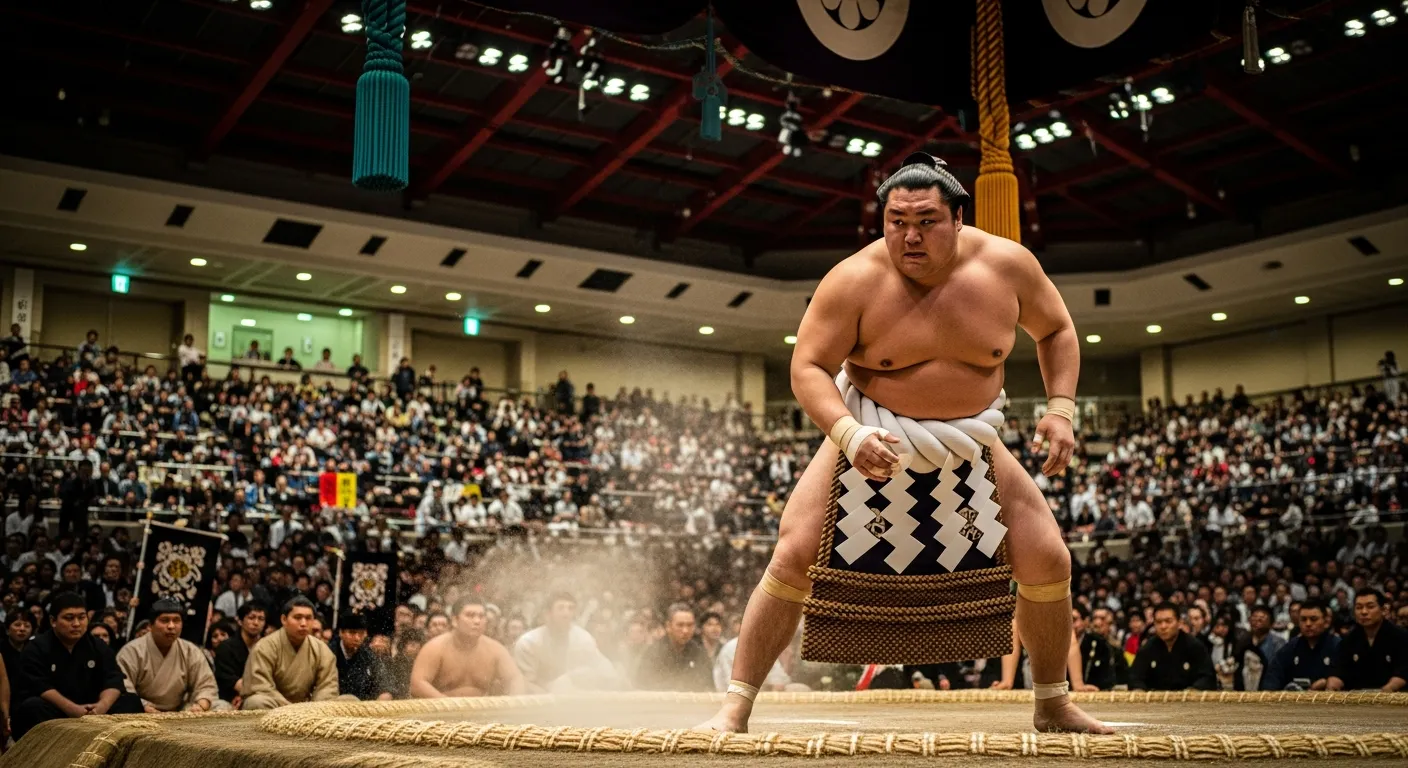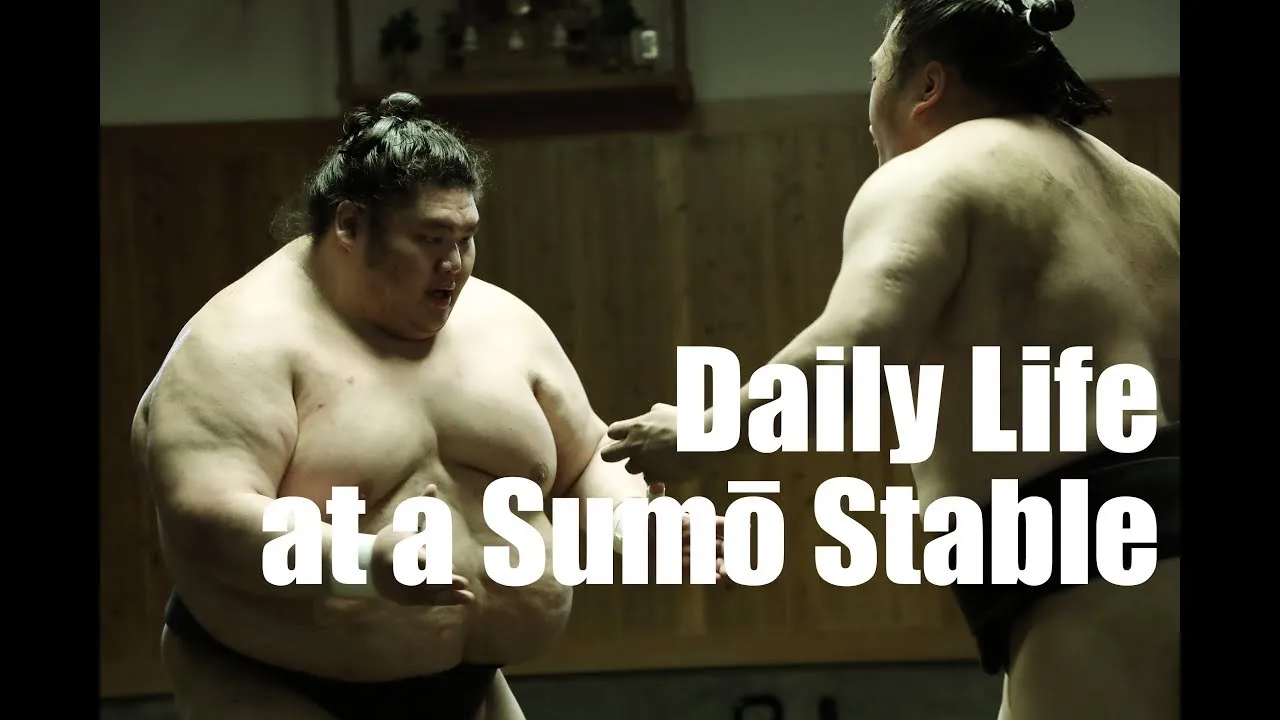
Sumo, Japan's national sport, is a world of intense discipline, profound tradition, and immense physical dedication. There are six grand tournaments a year, three of them in Tokyo (January, May and September). In between lies the daily grind within a heya, or training stable, where wrestlers live, eat, and train together. Here is a typical stable day, drawn from a nippon.com film made at the Takadagawa stable.
Source: this page retells the routine shown in the film “Daily Life at a Sumo Stable” from nippon.com, which visited the Takadagawa stable and is embedded further down. The film dates from around 2018. We did not visit the stable ourselves, and the clock times below are approximate: they vary from stable to stable and from day to day.
By About 7:00: The Morning Warm-Up
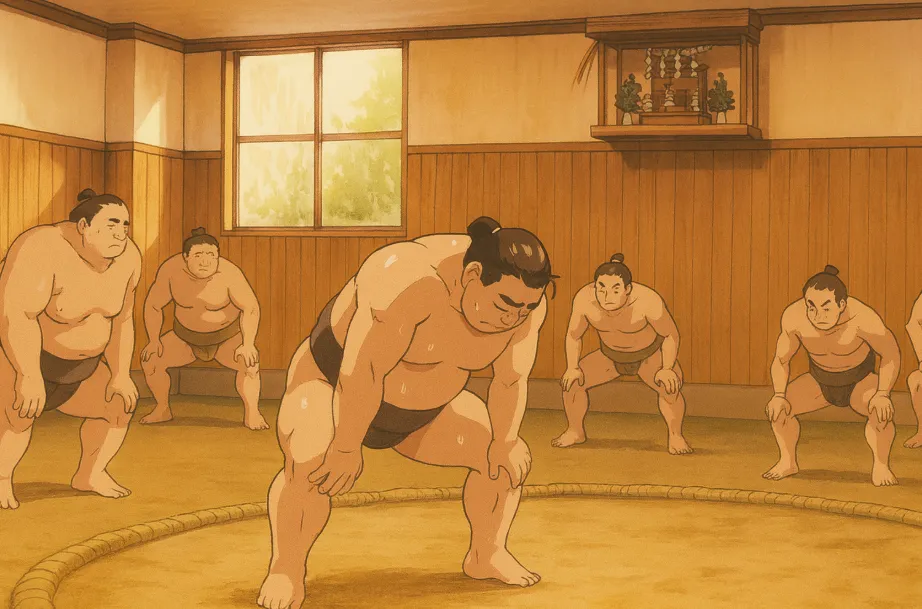
The day begins early, not with breakfast, but with a demanding warm-up session. Wrestlers get up around 6:00, the juniors before their seniors, and by about 7:00 most of them are in the practice room. Dressed in their traditional mawashi (loincloths), they gather around the dohyō (sumo ring) to prepare their bodies for the strenuous practice ahead.
The warm-up is a foundational part of their training, focusing on flexibility, balance, and strength. The wrestlers meticulously practice the fundamental moves that are the building blocks of their power and technique.
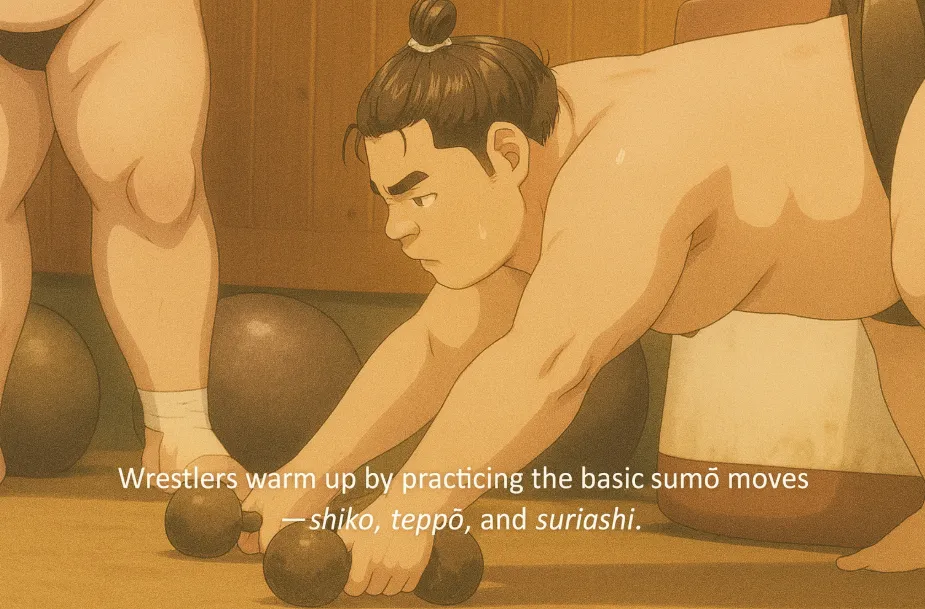
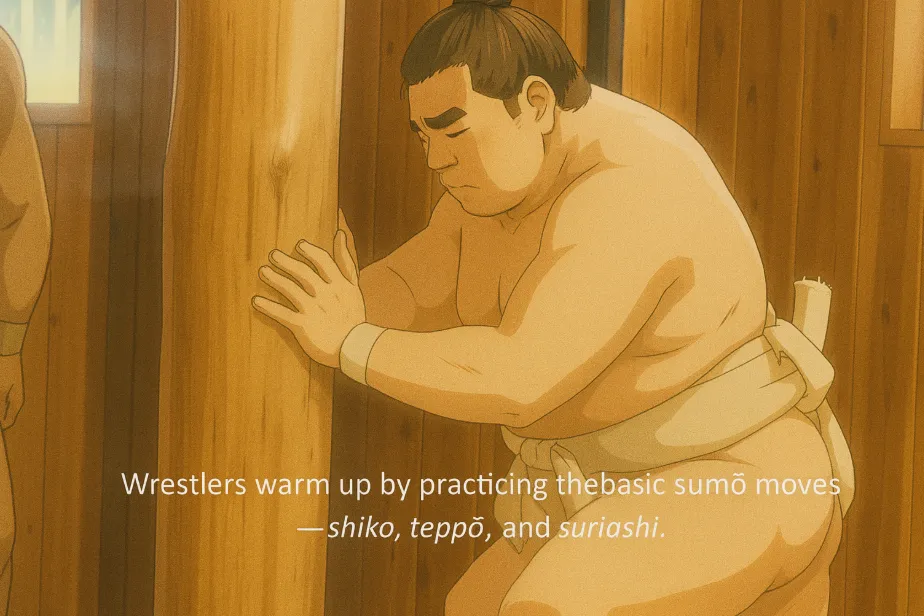
Wrestlers warm up by practicing the basic sumō moves—shiko, teppō, and suriashi.
Shiko, the iconic leg-stomping exercise, is crucial for developing lower body strength and balance. Teppō involves repeatedly striking a wooden pillar to perfect hand and arm techniques, while suriashi, a sliding foot movement, teaches wrestlers to move low and powerfully across the dohyō. Each movement is performed with intense focus and repetition.
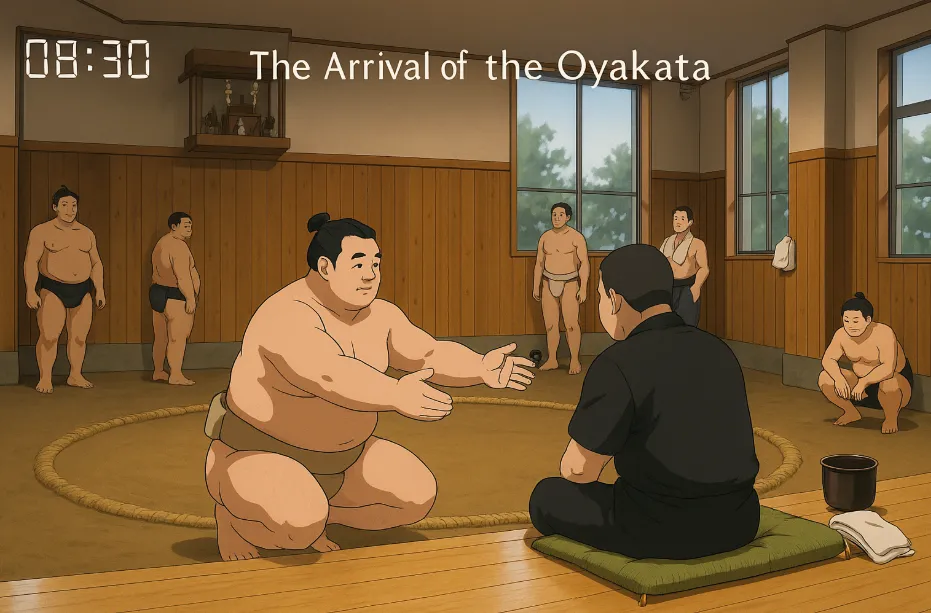
Mid-Morning: The Arrival of the Oyakata
As the warm-up concludes, the atmosphere shifts with the arrival of the oyakata, or stablemaster. At the Takadagawa stable, this role is filled by the Takadagawa oyakata, the former sekiwake Akinoshima. The oyakata is the head of the stable, serving as a coach, mentor, and father figure to the wrestlers under his care. His watchful eye oversees every aspect of the training, ensuring that discipline and technique are upheld to the highest standard.
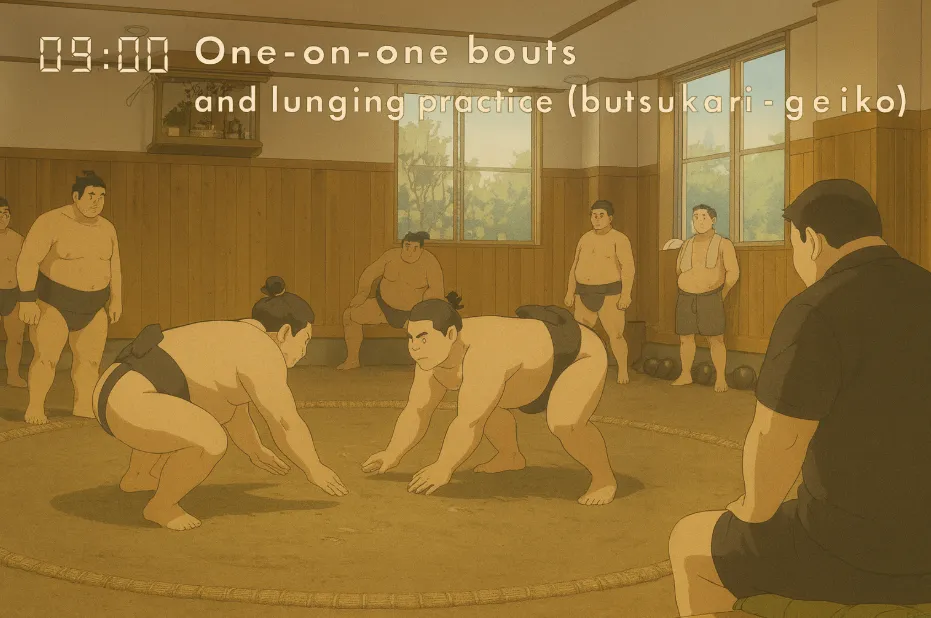
Later in the Morning: Intense Bouts and Lunging Practice
With the oyakata present, the practice, known as keiko, intensifies. The main part of the morning session begins with one-on-one bouts and a specific lunging practice called butsukari-geiko. The hierarchy of the stable is immediately apparent; lower-ranked wrestlers are the first to enter the ring, with the winner of each bout earning the right to choose his next opponent. This system fosters a competitive spirit and allows wrestlers to constantly test their skills.
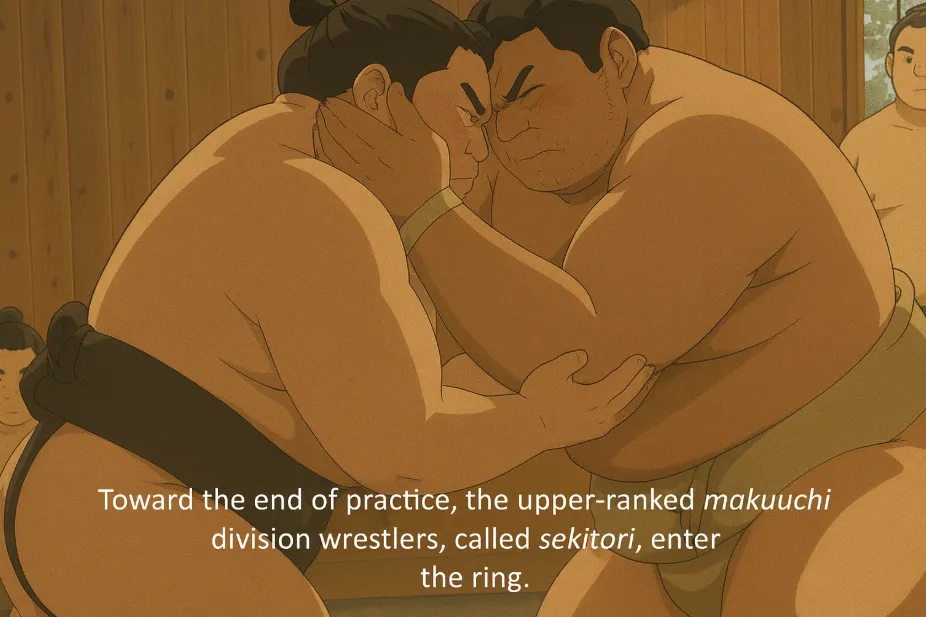
Toward the end of practice, the sekitori, the wrestlers of the top two divisions (makuuchi and juryo), enter the ring.
The arrival of the sekitori, the salaried wrestlers in the top two divisions, marks the peak of the morning's training. Their bouts are fiercer, showcasing a higher level of skill and power. The stablemaster often interjects, shouting corrections and encouragement to refine their techniques.
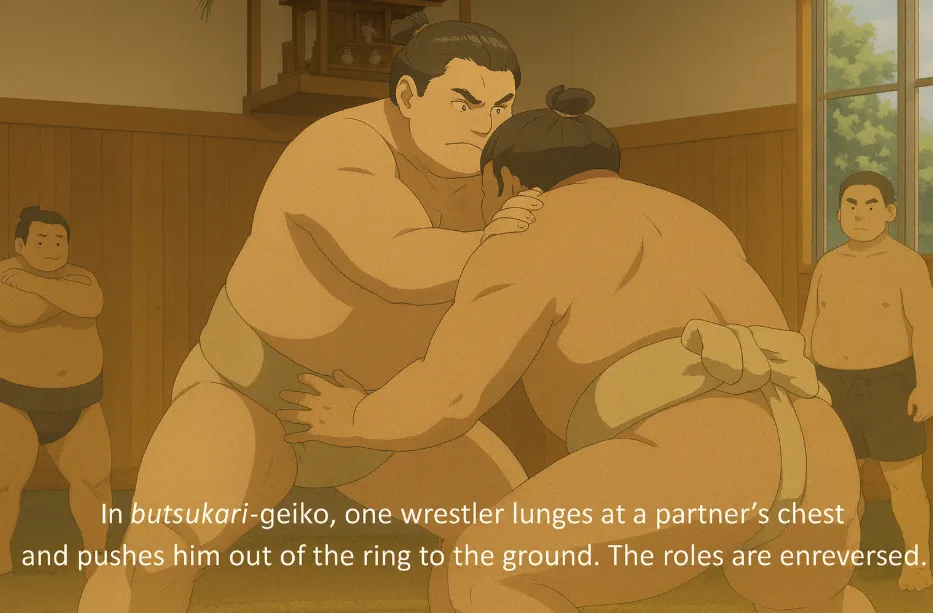
A key component of this session is butsukari-geiko. In this drill, one wrestler repeatedly lunges at a stationary partner, usually the more senior man, driving him with full force out of the ring and onto the ground. The roles are then reversed. This exhausting exercise is designed to build explosive power, stamina, and the relentless forward momentum essential for winning in sumo.
Around 11:00: The End of Keiko and Words of Wisdom
As the morning practice concludes, the wrestlers, covered in sweat and sand, gather to listen to the oyakata. He imparts wisdom that goes beyond physical technique, touching on the core philosophy of the sport.
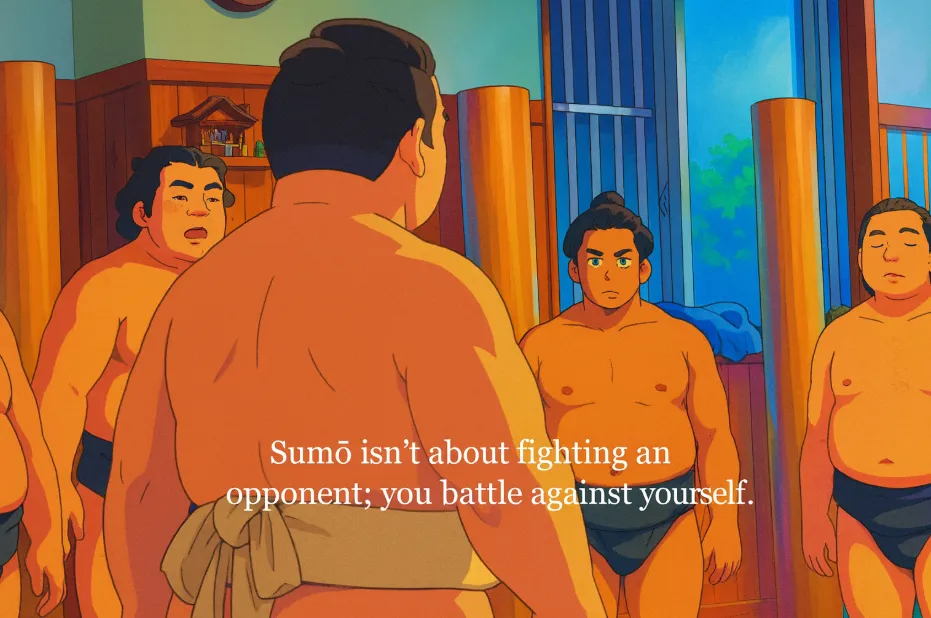
"Sumō isn’t about fighting an opponent; you battle against yourself."
— the Takadagawa oyakata, in the nippon.com film
This powerful statement emphasizes that the true challenge in sumo is mastering one's own weaknesses, pushing past physical and mental limits through constant repetition and self-discipline. The wrestlers bow in unison, marking the end of a grueling session.
Around Noon: The First Meal of the Day
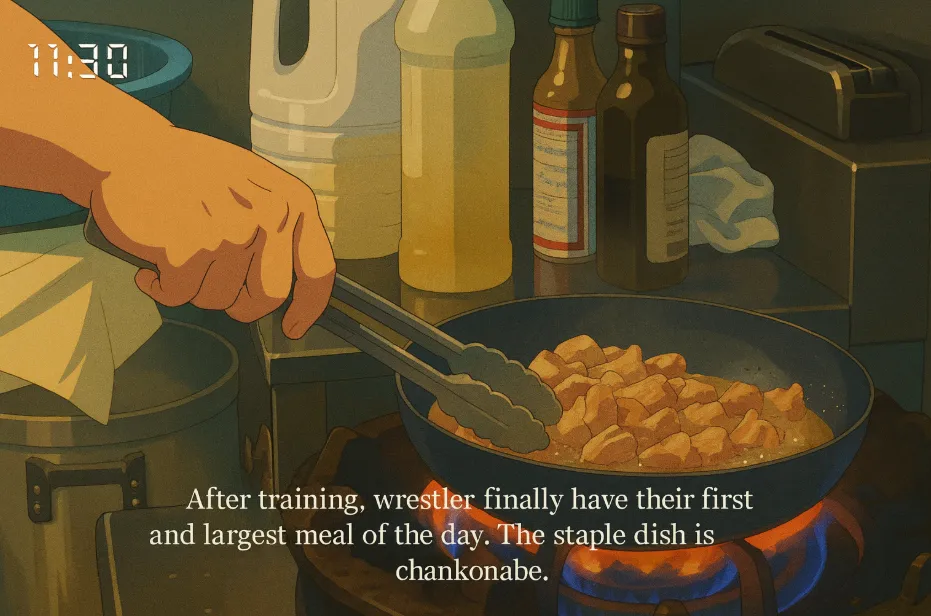
After training, the wrestlers finally have their first of two meals of the day. While the higher-ranked sekitori bathe, the junior wrestlers, who make up the kitchen crew, prepare a massive feast. The staple of this meal is chankonabe, a hearty, protein-rich stew packed with meat, fish, and vegetables, designed to help wrestlers gain and maintain their formidable size and strength.
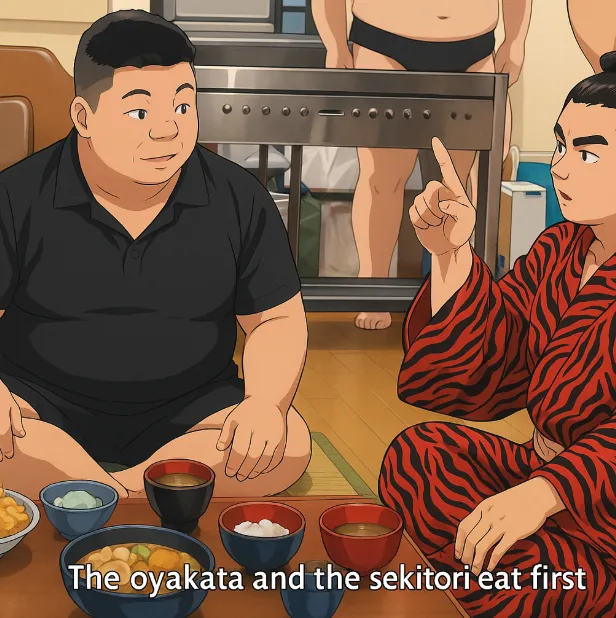
Once again, hierarchy dictates the order. The oyakata and the sekitori eat first, enjoying the fruits of their labor. The junior wrestlers will eat after their seniors have finished. This midday meal is vital for recovery and muscle building after the intense physical exertion of keiko.
After Lunch: Hairdressing and Afternoon Rest
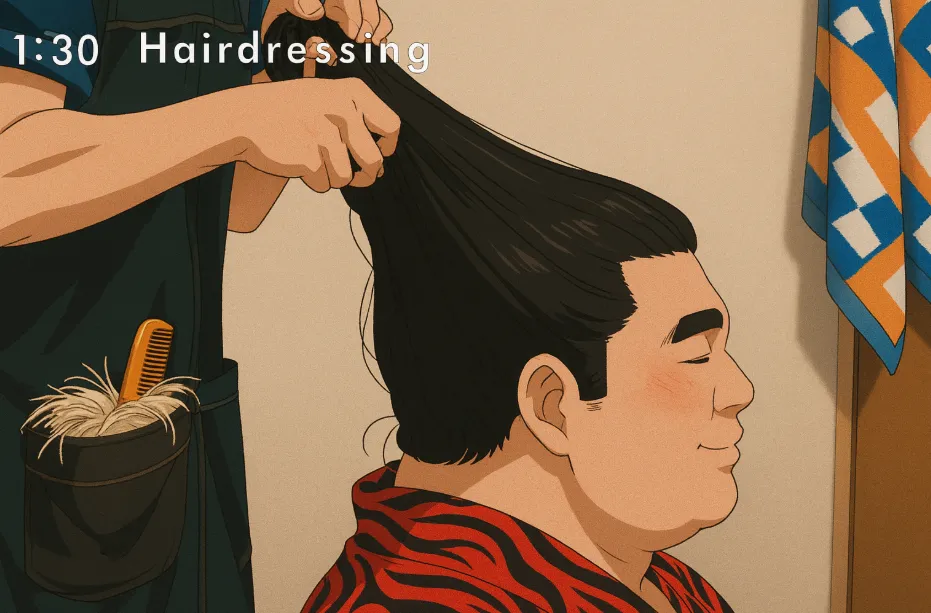
Following lunch, the sekitori have their hair styled by the tokoyama, the hairdressers employed by the Japan Sumo Association, who are assigned to one or several stables. The intricate process involves combing and waxing the hair into the iconic chonmage, or topknot, a hairstyle that has been a symbol of sumo wrestlers for centuries.
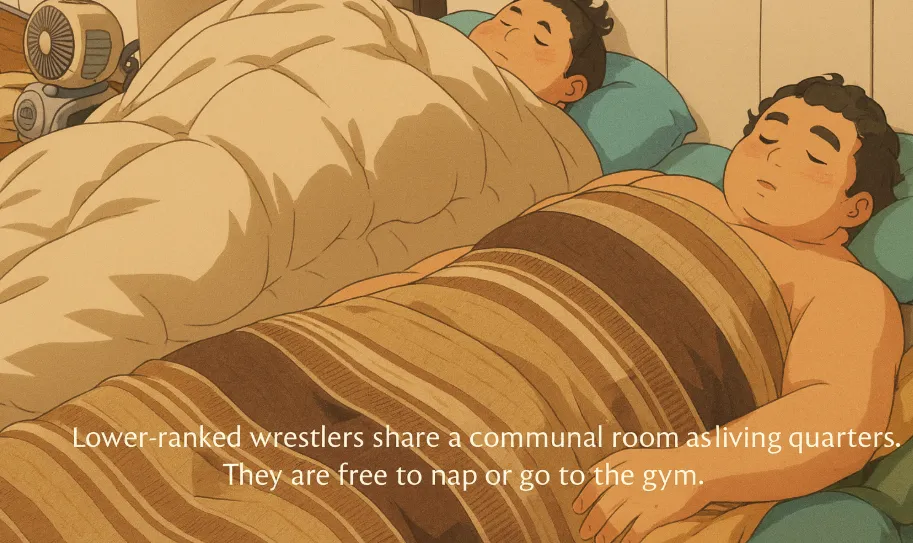
The afternoon is a period of rest and recovery. For the lower-ranked wrestlers, who share a large communal room, this is their free time. Many use this opportunity to take a long nap, which is essential for muscle growth and recovery. Others might engage in light personal activities or head to the gym for additional training.
The Meaning of Keiko: A Battle Against Oneself
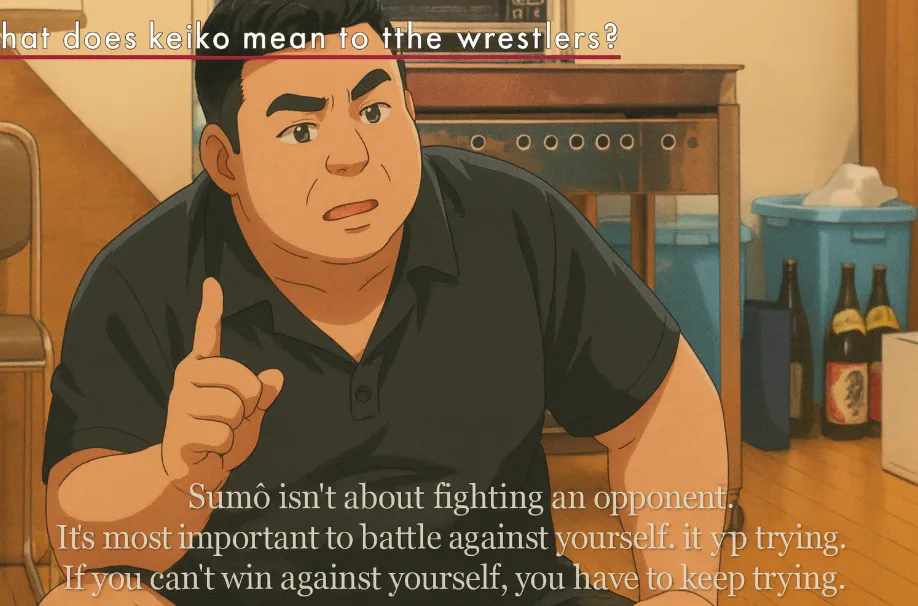
The nippon.com film closes with reflections on the meaning of keiko. For these athletes, practice is more than just a routine; it is the essence of their life and career. The oyakata reiterates his core belief:
"Sumō isn’t about fighting an opponent. It’s most important to battle against yourself. If you can’t win against yourself, you have to keep trying."
— the Takadagawa oyakata, in the nippon.com film
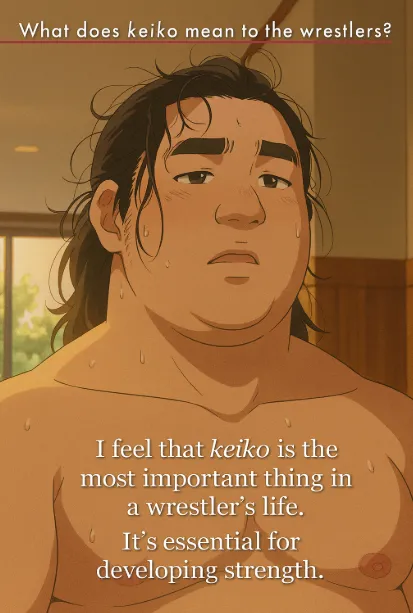
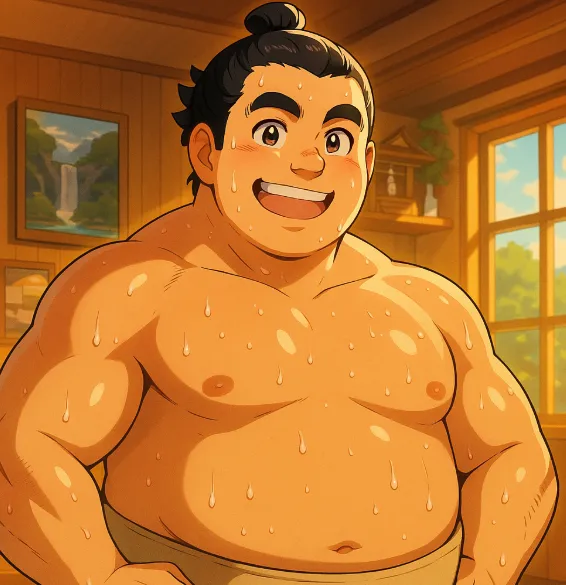
The wrestlers echo this sentiment. One explains, "I feel that keiko is the most important thing in a wrestler's life. It's essential for developing strength." Another adds that while the training is tough, the joy of winning a tournament match makes all the hardship worthwhile. This relentless pursuit of self-improvement and the dedication to their craft define the spirit of a true sumo wrestler.
Film: “Daily Life at a Sumō Stable”, nippon.com, filmed at the Takadagawa stable.
Sumo Stables Today
There are 45 stables now, all in the Greater Tokyo area and many of them in Ryogoku. The yokozuna as of October 2026 are Onosato and Hoshoryu, and Onosato won the September tournament at Ryogoku Kokugikan with a 12-3 record. The next tournament is in Fukuoka from 8 to 22 November 2026, and stables travel there for it, so check a stable’s calendar before planning a visit around it.
Can You Watch Real Practice?
Takadagawa stable does not publish a way for visitors to watch. Arashio stable in Nihombashi-Hamacho lets people watch through a street window, free and without a reservation, from 7:30 to 9:00 in the morning. Its own page asks you to keep quiet, use no flash, not eat or drink, and not sit on the neighbour’s stairs, and says the schedule is not guaranteed: check the calendar the stable posts before you go.
The paid route is a guided tour: morning practice at a real sumo stable with an English-speaking guide, from $95. Prices checked on GetYourGuide on 5 October 2026; they change with the date and group size.